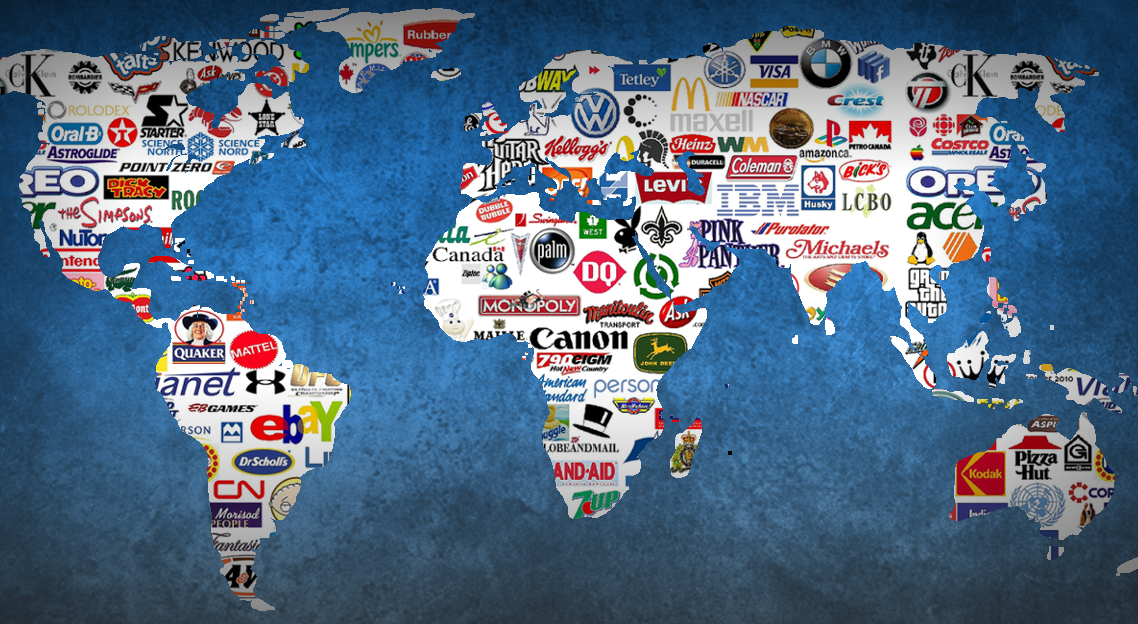
Ireland has become one of the most important global hubs for multinational companies—a transformation that has reshaped its economy, workforce, and international reputation. From technology giants to pharmaceutical leaders, multinationals play a central role in Ireland’s modern success story.
Why Ireland Attracts Multinationals
There isn’t a single reason companies choose Ireland—it’s a combination of strategic advantages that, together, make it highly compelling.
First, Ireland offers direct access to the European Union market. For companies looking to serve customers across Europe, establishing operations in Ireland provides a gateway to over 400 million consumers.
Second, the country is known for its business-friendly environment. A competitive corporate tax rate, clear regulatory framework, and strong legal protections give companies confidence to invest long-term.
Language and talent also matter. As an English-speaking country with a highly educated workforce, Ireland makes it easy for multinational teams to operate efficiently while recruiting from both local and international talent pools.
The Rise of Big Tech and Pharma
Over the past two decades, Ireland has attracted many of the world’s most influential companies. In the tech sector, firms like Google, Meta, Apple, and Microsoft have established major European headquarters—primarily in Dublin.
Meanwhile, the pharmaceutical and life sciences sectors have flourished with the presence of companies such as Pfizer, Johnson & Johnson, and Novartis. These firms benefit from Ireland’s strong regulatory environment and expertise in manufacturing and research.
The clustering effect has been powerful—once a few major players established themselves, others followed, creating ecosystems of talent, suppliers, and innovation.
Economic Impact
Multinationals have had a profound impact on Ireland’s economy. They contribute significantly to employment, exports, and tax revenues. Many high-paying jobs in areas like software engineering, finance, and biotechnology are directly linked to multinational activity.
Beyond direct employment, these companies support a wider ecosystem of local suppliers, service providers, and startups. This spillover effect has helped nurture Ireland’s own entrepreneurial scene, with many founders gaining experience in multinational environments before launching their own ventures.
Challenges and Criticism
Despite their benefits, multinationals are not without controversy. Ireland’s reliance on foreign investment has raised questions about economic resilience. A shift in global tax policy or corporate strategy could have outsized effects on the Irish economy.
Housing and infrastructure pressures have also intensified, particularly in Dublin, where demand driven by multinational employment has contributed to rising costs of living.
There is also ongoing international scrutiny of corporate tax practices. While Ireland has adapted to global reforms, the debate continues around how countries balance competitiveness with fairness in taxation.
The Future of Multinationals in Ireland
Looking ahead, Ireland is likely to remain a key destination for multinational investment—but the landscape is evolving.
Remote and hybrid work models may reduce the need for large centralized offices, while global tax changes could reshape how companies structure their international operations. At the same time, Ireland is investing in innovation, sustainability, and regional development to ensure continued attractiveness.
Emerging sectors such as artificial intelligence, green technology, and advanced manufacturing may define the next wave of multinational growth.
Final Thoughts
Multinationals have been central to Ireland’s economic transformation, turning it into a globally connected and innovation-driven economy. While challenges remain, the country’s ability to adapt has been one of its greatest strengths.
For Ireland, the goal going forward is not just to attract multinational companies—but to build a balanced, resilient economy that benefits from global investment while fostering strong domestic growth.